

How to Help Students Avoid Burnout
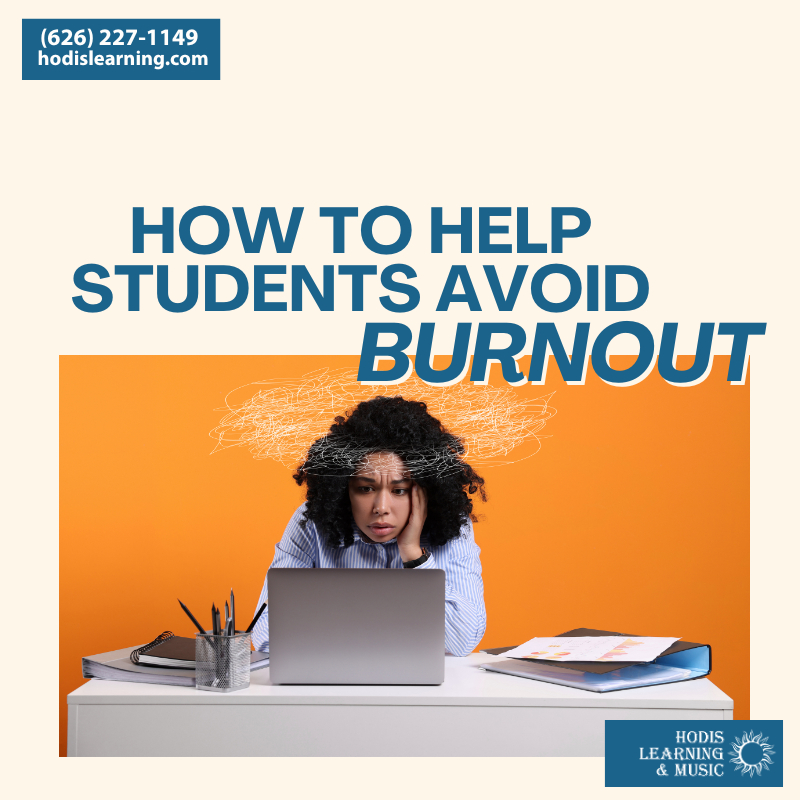
Students today are balancing more than ever—academic pressure, extracurricular activities, social commitments, and high expectations. While staying busy can be positive, it can also lead to burnout if there isn’t enough time to rest and recharge. Burnout can impact focus, motivation, and overall well-being, which is why it’s important to prevent it before it occurs.
Recognize the Signs Early
Burnout often builds gradually. Changes in sleep patterns, increased irritability, lack of motivation, or a sudden drop in academic performance can all be warning signs. Some students may also seem unusually overwhelmed by tasks that once felt manageable. Noticing these shifts early makes it easier to step in before stress becomes more serious.
Prioritize Balance, Not Just Productivity
It’s easy for students to fall into the mindset that they always need to be working. In reality, consistent breaks, social time, and hobbies are essential for maintaining energy and focus. Encouraging students to step away from schoolwork, whether through creative activities, time with friends, or simply relaxing, helps prevent mental fatigue and supports long-term success.
Build Simple, Sustainable Habits
Burnout often comes from trying to do too much at once. Instead of overloading schedules, it’s more effective to create routines that feel manageable. Small, consistent habits can help students stay on track without feeling overwhelmed. When expectations feel achievable, students are more likely to stay motivated.
Support Emotional Well-Being
Students need to feel supported, not just academically, but emotionally. Open conversations about stress, reassurance during challenging periods, and a focus on effort rather than perfection can make a significant difference. When students feel understood and supported, they’re better equipped to handle pressure in a healthy way.
At Hodis Learning & Music, we work with students to create balanced routines, build confidence, and develop strategies that support both academic success and overall well-being. If you’re looking for personalized support, call us at (626) 227-1149 or submit a contact form to get started.

