

How to Get the Most Out of Parent-Teacher Conferences
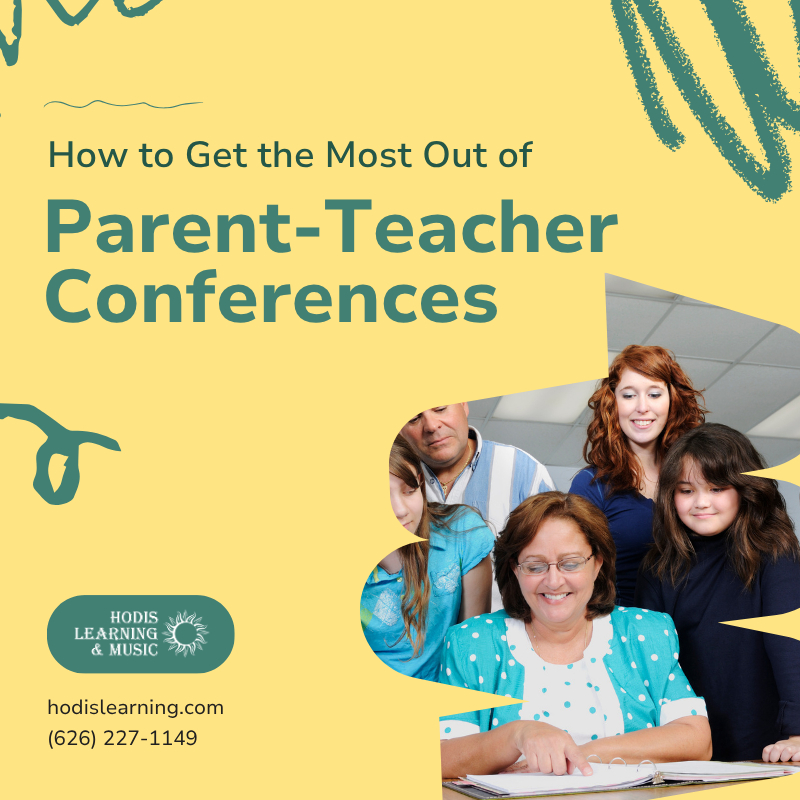
Parent-teacher conferences are a brief but important opportunity to learn about challenges, address concerns, and communicate with the other adults who spend meaningful time with your student and play an important role in their education.
Teachers see a side of your child that you don’t always get to see at home. They can offer insight into how your student participates in class, approaches assignments, interacts with classmates, responds to challenges, and progresses throughout the school year. At the same time, parents can provide context that helps teachers better understand what a student may be experiencing outside the classroom.
Instead of treating the conference simply as an update on grades, think of it as an opportunity to learn more about your child’s experience at school and identify ways you and their teacher can support them moving forward.
Talk With Your Child Before the Conference
Your child’s perspective can give you useful context before meeting with their teacher. Ask how they think school is going. Which classes or assignments feel easy? Which ones are frustrating? Is there anything they’re particularly proud of? Is there something they wish they could change?
You may discover that your child is worried about participating in class, doesn’t understand a particular unit, or feels overwhelmed by the amount of homework they’re receiving.
You don’t have to arrive at the conference with solutions or assume that every concern needs an immediate fix. Instead, approach the conversation with curiosity. The goal is to better understand what your child is experiencing, hear their teacher’s perspective, and ask more informed questions.
Look Beyond the Grade
Grades are important, but they don’t always tell the entire story. Imagine your child currently has a B in math. That might seem like enough information to conclude they’re doing well. But their teacher might explain that homework scores are strong while quiz and test scores have recently started falling.
Or perhaps your child understands the material but frequently loses points because assignments are submitted late. Those situations call for very different kinds of support.
Instead of only asking, “How is my child doing?” consider questions that provide more specific information:
- Have you noticed any patterns in their work?
- Are they participating and asking questions?
- How are their organization and time-management skills?
Your child’s teacher may already be prepared to address these areas, but asking specific questions can provide additional context and clarity.
Ask What Progress Should Look Like
If your child’s teacher identifies an area that needs improvement, ask what meaningful progress would look like in that area.
Suppose a student is struggling with writing. “Improve writing” is a very broad goal. Their teacher may be able to narrow the concern to organizing essays, improving grammar, or completing assignments on time.
Once you’ve identified the specific skill, you can ask what improvement might realistically look like over the next several weeks. This gives everyone something concrete to work toward.
Share Helpful Context
Communication should go both ways. If something outside school is affecting your child’s academics, consider sharing relevant information with their teacher. Maybe your child has a demanding extracurricular schedule or regularly spends hours completing assignments that are supposed to take much less time.
Parents see what happens at home. Teachers see what happens in the classroom. Putting those perspectives together can reveal patterns neither person sees independently.
Leave With Clear Next Steps
A productive conference doesn’t need to solve every problem in one meeting. Ideally, though, you should leave knowing what happens next.
If your child is struggling, determine what they can work on, what support the teacher can provide, and what you can reinforce at home. You might also decide to check in again after a few weeks to see whether things are improving.
Sometimes the next step might involve additional academic support. If a student consistently struggles with a particular subject or needs help with organization and study habits, individualized tutoring may be useful.
Keep the Conversation Going
Parent-teacher conferences are one point in an ongoing conversation about your child’s education. You don’t have to wait until the next scheduled conference to ask a question or follow up on a concern.
At Hodis Learning & Music, we take a similar approach to tutoring. We begin by understanding a student’s strengths, challenges, and goals and then match them with an experienced educator who can provide individualized, one-on-one support.
If a parent-teacher conference helps you identify an area where your child could benefit from additional academic support, call us at (626) 227-1149 or submit a contact form to learn more.
