
Tag Archive for: college admissions

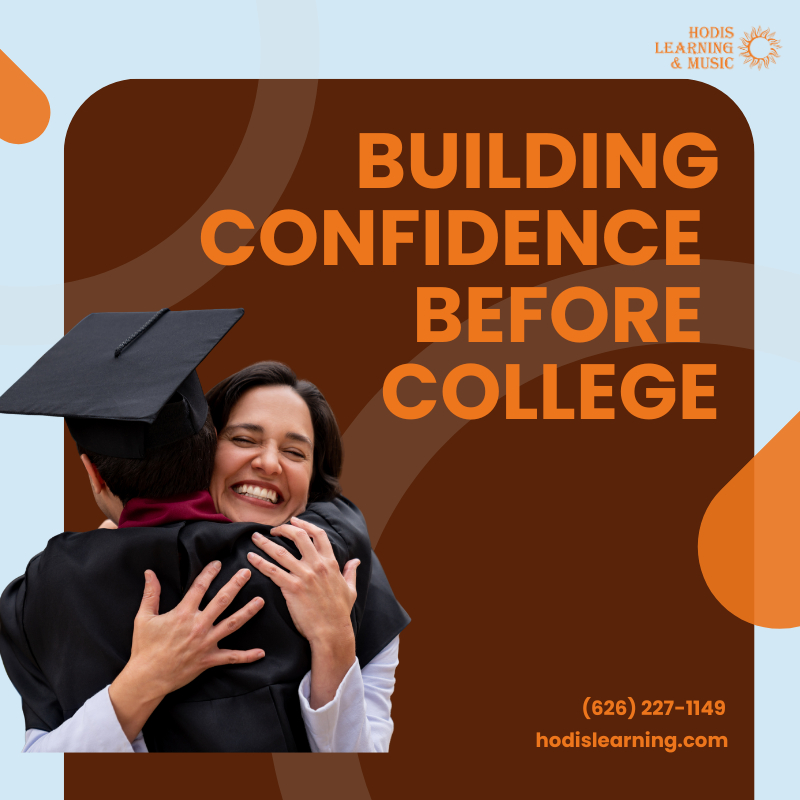
Building confidence before college.

College is something many students look forward to for years. The possibilities are thrilling—meeting new people, exploring new interests, and living more independently. There’s a lot to be excited about, from choosing your own classes to decorating your dorm and building a schedule that feels like your own.

At the same time, it’s completely normal to feel a little unsure about what that change will actually look like. Questions like “Will I make friends easily?”, “What if I feel homesick?”, or “Will I be able to manage the workload?” are on a lot of students’ minds, even if they don’t always say it out loud. Being in a new place, surrounded by new people, can feel exciting and intimidating at the same time.

That’s why building confidence before college begins can make such a big difference.

Why Confidence Matters

College is a time where typically young adults are gaining independence, exploring interests and career possibilities, and learning who they are. While you’ll certainly gain confidence through these experiences, building a foundation can also help you when you start this new chapter.

Confidence in college is important for things like participating in lectures, approaching professors for help outside of class, and making new friends.

Confidence Isn’t Built Instantly

One of the biggest misconceptions about college is that everyone else has it figured out. In reality, most students are adjusting at the same time. It’s okay if it takes time to feel settled. The first few weeks (or even months) are about exploring and learning. No one expects you to have everything figured out instantly.

Finding Your Place Through Interests

College is full of activities. From recreational sports to clubs to student government, there is something for everyone. Joining a group or club is an easy way to meet people who share your interests.

In addition to meeting people, engaging in something you enjoy or learning a new skill can be empowering. This is why activities can be huge confidence-builders for new college students. Try something new, explore interests, and remember that you don’t have to do everything at once.

Academic Confidence Matters Too

While social life is a big part of the college experience, academics still play a major role in how students feel day to day. Feeling lost in a class or unsure where to start on assignments can quickly affect confidence.

Getting support early—whether through tutoring or study groups—can make a big difference. When students feel more in control of their coursework, it frees up mental space to enjoy other parts of college life.

Confidence Comes With Experience and Time

Every new experience in college, whether it’s social, academic, or creative, helps build a stronger sense of self. There’s no timeline to how and when you feel confident, and not everyone will feel confident all the time. More importantly, keep in mind that most people who are new to college are figuring things out too.

At Hodis Learning & Music, we support students in building confidence through academics, music, and creative expression, helping them feel more prepared for new challenges and opportunities.

If you’re getting ready for college and want support, call us at (626) 227-1149 or submit a contact form on our website to learn more and get started.


 

What to look for in a college campus tour.

Visiting college campuses is an exciting step in the college search process. It’s easy to get caught up in the beautiful buildings, polished presentations, and perfectly planned tour routes, but those things only tell part of the story. A great campus tour goes beyond appearances and helps you understand what daily life as a student will actually feel like.

By knowing what to look for, you can turn a quick visit into a meaningful experience that helps guide your decision.

Campus Culture and Community

One of the most important (and often overlooked) aspects of a college is its culture. As you walk around campus, pay attention to how students interact with each other. Are people engaged in conversations, studying together, or participating in activities? Do they seem approachable?

Try to get a feel for the overall environment. Some campuses feel fast-paced and competitive, while others are more collaborative and relaxed. Neither is better, it just depends on what kind of setting will help you stay motivated and comfortable.

If you have time, explore beyond the official tour. Sit in a common area or walk through campus between classes to get a more natural sense of student life.

Academic Support and Resources

While classrooms and facilities matter, it’s just as important to understand what support is available when classes become challenging.

Look into tutoring centers, writing labs, office hours, and advising systems. Ask how often students use these resources and how accessible they are. Some schools actively encourage students to seek help early, while others expect more independence from the start.

Understanding how a school supports its students academically can give you a clearer picture of what your experience will be like when coursework becomes more demanding.

Living and Social Spaces

Where you live and spend your downtime plays a major role in your college experience. Dorms, dining halls, libraries, and student centers are where students recharge and connect.

As you tour these spaces, think about both comfort and practicality. Are there quiet places to study? Are there areas where students gather and socialize? Does the campus feel safe and easy to navigate?

Try to imagine your daily routine: where you would study, eat, relax, and spend time with friends.

Student Life and Opportunities

College is also about exploring new interests and finding your place in a community. Ask about clubs, organizations, events, and campus traditions.

Are there opportunities that match your interests or even introduce you to something new? Whether it’s music, art, athletics, or volunteer work, these experiences often shape how connected students feel to their school.

Talking to current students can be especially helpful here. Their experiences will give you a more honest and personal perspective than any presentation.

Ask Thoughtful Questions

A campus tour is your opportunity to go beyond surface-level information. Asking the right questions can help you better understand what life at that school is really like. Consider asking:

  • What do students typically do on weekends?
  • How manageable is the workload, and what support is available?
  • How accessible are professors outside of class?
  • What do students wish they had known before enrolling?

The answers to these questions can reveal details that aren’t always obvious during a standard tour.

Look Beyond First Impressions

It’s natural to be drawn to campuses that look impressive, but the best fit often comes down to how you feel in the environment. A school that supports your learning style, matches your personality, and offers the right balance of challenge and support will set you up for a better overall experience.

Taking the time to look deeper during your campus visits can help you make a more confident and informed decision.

Preparing for college goes beyond choosing the right campus. It also means building the academic skills and confidence to succeed once you’re there. Whether you’re looking for college-level tutoring, test prep, or support before your first semester, Hodis Learning & Music can help. Call us at (626) 227-1149 or submit a contact form on our website to learn more or get started today!

How to Talk to Your Teen About College Rejection

College rejection can be a tough experience for teens—and for parents too. It’s normal for students to feel disappointed, frustrated, or even discouraged. How you respond as a parent can make a huge difference in helping your teen process their emotions and move forward.

Acknowledge Their Feelings

The first step is to let your teen know it’s okay to feel upset. Reassure them that disappointment is a normal part of life, and that it doesn’t define their worth or potential. Listening without immediately offering solutions gives them space to process their emotions and feel understood.

Keep Perspective

A college rejection is just one chapter, not the whole story. Remind your teen of their strengths, accomplishments, and the many opportunities that still lie ahead. Share examples of people who faced setbacks but went on to succeed.

Focus on Next Steps

Once the emotions settle, guide your teen toward practical next steps. This could include exploring other college options, strengthening their applications for the next round, or considering alternative paths such as gap years, internships, or specialized programs. Focusing on action empowers your teen to regain control.

Encourage Growth and Resilience

Setbacks like college rejection can feel overwhelming in the moment, but they can also become meaningful opportunities for growth. With patience, encouragement, and the right support, teens can learn to process disappointment, build resilience, and continue working toward their goals.

At Hodis Learning & Music, we work with students to strengthen both their academic skills and their confidence as they navigate challenges like these. If your student could benefit from extra support—whether through tutoring, test preparation, or creative learning—call (626) 227-1149 or submit a contact form on our website to learn more and get started.