
Why Music and Art Are Essential (Not Extra) in a Well-Rounded Education
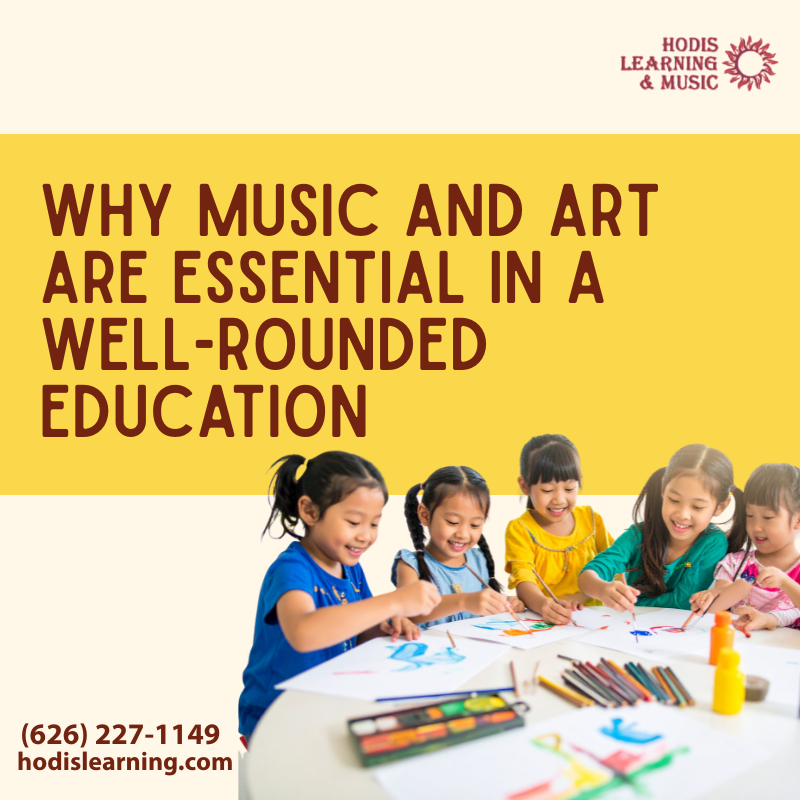
Music and art are often viewed as “extras” in education, as in, nice to have, but not necessary. In reality, they play a vital role in a student’s academic, emotional, and social development. A well-rounded education includes the arts not as an add-on, but as a core component of learning.
Supporting Cognitive Development
Engaging in music and art strengthens critical thinking, problem-solving, and memory skills. Learning to read music, analyze rhythm, or plan a visual composition helps students develop focus, pattern recognition, and creativity. These are skills that transfer directly to subjects like math, reading, and science.
Building Creativity and Self-Expression
Music and art give students a powerful outlet for self-expression. Through creative work, students learn to communicate ideas and emotions in ways that words alone cannot. This fosters confidence, originality, and a sense of identity.
Encouraging Perseverance and Discipline
Practicing an instrument or refining a piece of artwork teaches patience, resilience, and goal-setting. Students learn that progress takes time and effort, which is an important lesson that supports success in all areas of learning.
Supporting Emotional Well-Being
The arts provide a healthy way for students to manage stress and emotions. Creative activities can improve mood, increase motivation, and help students feel more connected and engaged in their education.
Preparing Students for the Future
In a world that values innovation and adaptability, creativity is essential. Music and art nurture flexible thinking, collaboration, and imagination. These skills prepare students not only for academic success, but for life beyond the classroom.
If you’d like to learn more about music or art lessons at Hodis Learning & Music, give us a call at (626) 227-1149 or submit a contact form.

