

How to Talk About “What’s Next” Without Feeling Overwhelmed
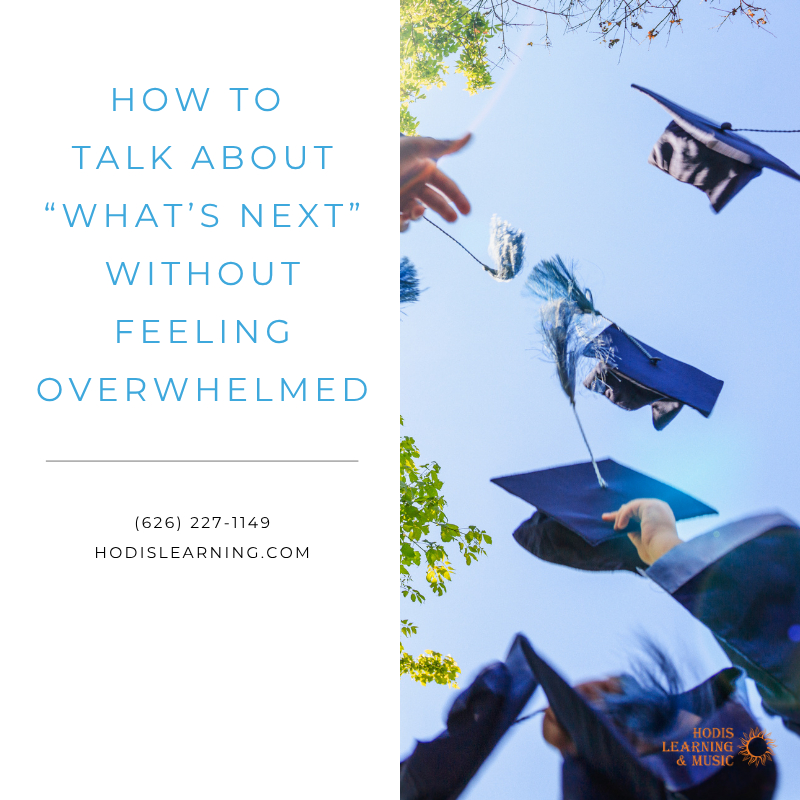
For many students, one of the most stressful parts of graduation season isn’t finals or applications, it’s constantly being asked, “What’s next?”
Questions about college, careers, majors, jobs, or future plans can quickly become overwhelming, especially for students who are still figuring things out themselves.
The truth is that very few people have everything planned out perfectly after graduation, and that’s completely normal.
Questions About the Future Can Feel Stressful
Questions about the future often carry pressure behind them. Students may worry about making the “wrong” decision, disappointing their family, or falling behind their peers.
Social media can make this even harder by creating the illusion that everyone else has a clear direction and complete confidence.
It can feel like everyone else has their lives together and is moving on to exciting or big things. If you don’t know what’s next, it’s normal to feel stressed, anxious, or sad. But it’s important to keep perspective and remember you’re not alone nor is this phase permanent.
Uncertainty and Change are Normal
One of the biggest misconceptions students face is the idea that they must have their entire future mapped out immediately after graduation.
In reality, many people don’t start a full-time job immediately after graduating, or they end up changing jobs, switching careers, or even going back to school.
The point is, change is normal. Your first step after college doesn’t define your entire life. Don’t feel pressure to stick to one path just because you thought it was best at one point.
Focus on the Next Step
Thinking about the next ten years can feel paralyzing, especially when you don’t know what even the next year will look like. Instead, it can be more helpful to focus on manageable next steps.
Ask yourself things like:
- What interests me right now?
- What skills do I want to build?
- What’s one productive thing I can do this month?
Breaking large decisions into smaller steps makes the future feel more approachable. Asking reflective questions can make decision-making feel less stressful and more personal and maybe even exciting.
Advice for Parents, Educators, & Mentors
Parents, educators, and mentors can help reduce pressure by asking supportive questions rather than demanding certainty. Instead of conversations centered around dates, plans, and rigid expectations, ask your student about:
- Their interests and strengths
- What their priorities are currently
- Current opportunities that might be able to lead to more
Students are often more open and motivated when conversations feel encouraging instead of high-pressure. Plus, these more open-ended, positive conversations can naturally lead to new insights and help students create new goals.
Support During Times of Transition
At Hodis Learning & Music, we understand that transitions can bring both excitement and uncertainty. Our goal is to help students build confidence, strengthen life skills, and feel supported as they navigate academic and personal growth.
Whether your student needs tutoring, executive functioning support, music lessons, or art lessons, Hodis Learning & Music is here to help. Call us at (626) 227-1149 or submit a contact form on our website to get started.

