
Tag Archive for: Fall

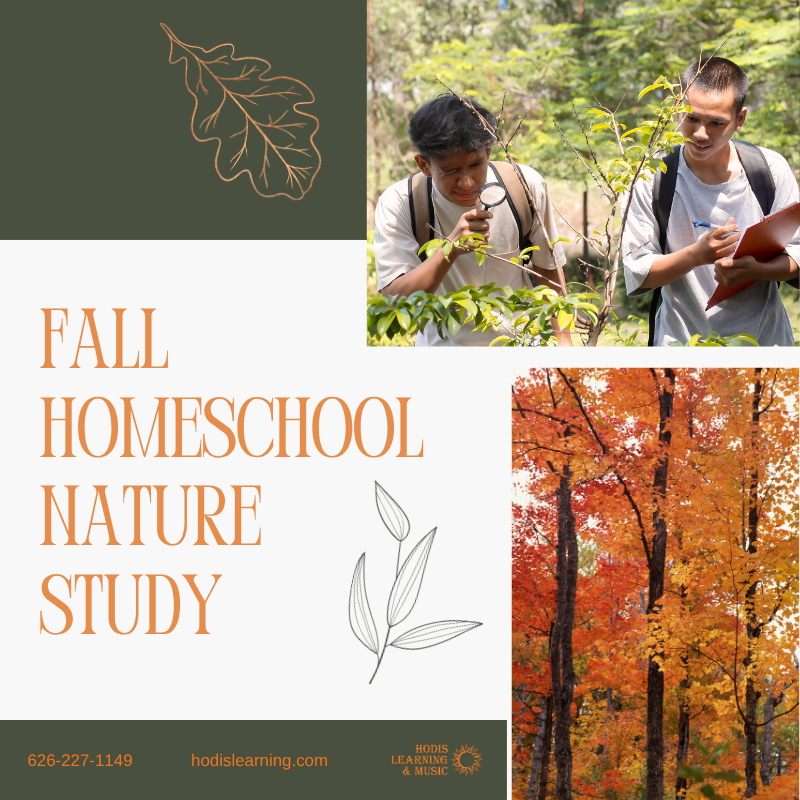
Fall homeschool nature study

Fall is a wonderful time to take learning outside and homeschooling provides the flexibility to incorporate hands-on learning outside of a classroom. A walk through a neighborhood park can become a science lesson, a writing assignment, and an art project, all without feeling like a traditional school assignment.

Here are two fall nature study ideas that bring multiple subjects together while encouraging curiosity and exploration.

1. Create a Fall Nature Journal

A nature journal is a simple way to combine science, writing, and art into one ongoing project. Students can use a notebook or sketchbook to document what they observe outdoors throughout the fall season.

Start by choosing a location to visit regularly. This could be a backyard, neighborhood park, hiking trail, or even a particular tree on your street. Encourage your student to spend time observing their surroundings and recording what they notice.

For example, a student might choose to study a deciduous tree throughout the season. During their first visit, they could sketch the tree, describe the color and shape of its leaves, and record the date and weather conditions. When they return a week or two later, they can compare their observations. Have the leaves changed color? Are more leaves on the ground? Does the tree look different than it did before?

This simple activity can introduce several academic concepts:

  • Science: Explore why leaves change color, how trees respond to seasonal changes, and the role of sunlight and temperature in plant life cycles.
  • Writing: Practice descriptive language, record observations, and write short reflections comparing changes over time.
  • Art: Sketch leaves, experiment with colored pencils or watercolors, and practice illustrating details found in nature.

As the season progresses, students can look back through their journals to identify patterns and make connections between their observations and what they’ve learned.

2. Photograph the Changing Seasons

Photography is another engaging way to combine creative expression with scientific observation. It encourages students to notice details they might otherwise overlook while providing an opportunity to explore visual storytelling.

Begin by asking your student to photograph signs of fall in your neighborhood. They might capture colorful leaves, changing shadows, seed pods, or migrating birds.

Rather than taking dozens of unrelated pictures, encourage them to choose one subject and explore it in depth. For example, a student might photograph the same tree every week for a month. They can experiment with different angles, lighting, and compositions while documenting how the tree changes over time.

Once they’ve collected their photographs, turn them into a small photo essay. Ask your student to arrange the images in chronological order and write captions explaining what changed between each visit.

This project connects several subjects:

  • Science: Document seasonal changes, compare observations, and investigate why those changes occur.
  • Photography and art: Explore composition, perspective, natural lighting, and visual storytelling.
  • Writing: Create descriptive captions or a short narrative explaining the changes captured in the photographs.

Students can also compare their photographs with local weather records to explore whether changes in temperature, rainfall, or daylight correspond with what they’ve observed.

At the end of the project, consider creating a printed photo book or digital slideshow. Having a finished project gives students an opportunity to share their work with family members and explain what they’ve learned.

Make Nature Study Part of Your Homeschool Routine

At Hodis Learning & Music, we believe learning should be engaging, personalized, and connected to students’ interests. Our academic tutors can help homeschool families strengthen foundational skills, explore new subjects, and incorporate creative learning into their educational routines. We also offer art lessons, including photography, painting, and illustration, for students interested in developing their artistic abilities.

Interested in adding academic tutoring or art lessons to your homeschool curriculum? Contact Hodis Learning & Music to learn more about our personalized instruction and how we can support your student’s learning goals.
Homeschool Fall Learning Ideas

Fall offers plenty of opportunities to take homeschool lessons beyond textbooks and worksheets. Changing leaves, cooler temperatures, migrating animals, seasonal foods, and shorter days can all become starting points for lessons in science, math, writing, research, and art.

You also don’t need to develop an elaborate seasonal curriculum. A walk through your neighborhood or local park can give students something concrete to observe, measure, research, or write about. Here are several practical ways to incorporate the fall season into your homeschool lessons.

Practice Scientific Observation With a Fall Journal

A simple observation journal can help students practice noticing details, recording information, and tracking changes over time.

Choose a place you and your student can visit regularly, such as your backyard, a neighborhood park, or a local trail. Have your student record what they notice during each visit. Younger students might draw pictures and write a few descriptive sentences, while older students can record weather conditions, measurements, animal species, and questions they want to investigate.

Encourage students to be specific. Instead of writing that “the leaves are changing,” they might record which trees are changing, what colors they see, or approximately how many leaves have fallen. After several weeks, students can compare their entries and identify changes that occurred throughout the season.

This type of journal provides a simple introduction to the way scientists make repeated observations and document changes over time.

Practice Graphs and Data Collection With Nature Walks

Nature walks can provide real-world data for math lessons. Decide on something your student can count or measure consistently, such as the temperature, number of birds observed, hours of daylight, or number of leaves that have changed color on a particular tree.

Record the same information over several days or weeks. Students can then organize their observations into a table and use the information to create a bar graph, line graph, or other appropriate visual representation.

Depending on the student’s math level, you can also use the data to practice calculating averages, comparing values, or identifying trends. Ask students to explain what their graph shows. Did temperatures generally decrease throughout the month? Was the change gradual or sudden? Which week had the highest or lowest measurement?

Using information students collected themselves can make concepts like data, averages, and graphs feel more concrete.

Compare Ecosystems at Two Local Outdoor Spaces

Visiting two different outdoor areas can introduce students to concepts related to ecosystems, habitats, and environmental science. The locations don’t need to be dramatically different. A neighborhood park, a wooded trail, or an open field can provide plenty to compare.

Before visiting, decide what your student will investigate. They might compare plant life, insects, sunlight, or soil. Have them record the same categories of information at each location so they can make a meaningful comparison afterward.

Younger students might sort their observations into categories and discuss which location had more plants, insects, or shade. Older students can explore why those differences exist and connect their observations to topics such as biodiversity, land use, invasive species, water availability, or human development.

Adapt Fall Lessons for Different Grade Levels

Many of these activities can work for elementary, middle, and high school students. What changes is the complexity of the assignment.

For example, an elementary student observing a tree throughout the fall might draw its leaves, record colors, and practice descriptive vocabulary. A middle school student could identify the tree species, take measurements, graph changes, and research why leaves change color. A high school student could maintain a more formal field journal and investigate topics such as plant pigments, photosynthesis, or environmental factors affecting seasonal changes.

Rather than simply choosing activities based on grade level, consider the academic skills your student is currently developing. The same basic project can often be adjusted to provide appropriate practice in writing, research, math, science, or critical thinking.

At Hodis Learning & Music, this is an important part of individualized homeschool instruction. A student’s age and grade level matter, but so do their current academic skills, interests, strengths, and areas that need additional development.

Finish With a Final Project

If your student has spent several weeks collecting observations, photographs, drawings, research, or data, consider ending the unit with a final project.

Depending on the student’s age and the work they’ve completed, they might create a field journal, research report, slideshow, or a graph with a written analysis.

A final project gives students practice organizing information and deciding how to communicate what they’ve learned. It also provides a tangible record of the work they completed throughout the season.

Build Homeschool Instruction Around Your Student

Hodis Learning & Music provides individualized homeschool education designed around each student’s academic needs, goals, interests, and learning style. Homeschool instruction can include core academic subjects as well as opportunities to strengthen research, writing, math, critical-thinking, and other skills through meaningful, age-appropriate lessons.

If you’re looking for additional support with your child’s homeschool education, call Hodis Learning & Music at (626) 227-1149 or submit a contact form on our website to ask about customized homeschool instruction.

Strategizing for Fall

Reflecting on Last Year to Thrive This Year

The start of a new school year is a fresh opportunity to reset, plan, and strategize for success. But before diving into the excitement of new goals and opportunities, it’s essential to pause and reflect on the past school year. Taking time to evaluate what worked, what didn’t, and strategizing for the year ahead sets a strong foundation for the fall semester.

Why Reflect on the Previous School Year?

Reflection isn’t just about looking back, it’s also an opportunity to learn. Students and parents can benefit from reflection and evaluation, as they help:

  • Identify Strengths: Which subjects, activities, or study strategies brought the most success?
  • Spot Growth Areas: Where did you struggle? Was it with time management, specific subjects, or test preparation?
  • Celebrate Achievements: Acknowledging achievements, both big and small, can provide motivation for the year ahead.

How to Evaluate the Past Year

An intentional approach to reviewing the previous school year can help you create a game plan for the semester (and school year) ahead.

  1. List Highlights and Challenges: Write down the most significant moments and consider what led to those outcomes. These can be test scores, projects, or personal milestones that impacted school work.
  2. Assess Study Habits: Think about your organization, homework routines, and exam prep. What worked well? What caused stress or last-minute cramming?
  3. Reflect on Effort vs. Results: Sometimes, great effort doesn’t translate into expected results. You might need a new approach or extra help in that area.
  4. Consider Feedback: Look at teacher comments, report cards, or parent-teacher conference notes for insights into strengths and areas for growth.

Strategizing & Setting Smart Goals

Once you’ve reviewed the past, it’s time to look forward with purpose. Setting clear, realistic goals will keep you focused and motivated throughout the year.

  • Use the SMART Method: Goals should be Specific, Measurable, Achievable, Relevant, and Time-bound. Instead of “I’ll do better in math,” try “I’ll get an A in math by practicing problem sets for 20 minutes daily.”
  • Break Goals into Steps: Big goals become more manageable when broken into smaller milestones. For example, improving writing might involve weekly vocabulary exercises.
  • Plan for Challenges: Identify potential obstacles and think of strategies to overcome them. Struggling with time management? Consider using a planner or digital calendar.
  • Track Progress: Regular check-ins (monthly or quarterly) ensure you’re on the right track and give you time to adjust strategies if needed.

Tips for a Successful Start

  • Organize Early: Set up binders, planners, and study spaces before the school year begins.
  • Establish Routines: Consistent study times, balanced with rest and extracurriculars, set the tone for a productive year.
  • Seek Support: Whether it’s from teachers, tutors, or family members, don’t be afraid to ask for help when needed.
  • Celebrate Small Wins: Recognizing progress can keep you motivated. Celebrate when you achieve a high test score or receive good feedback on an assignment.

Final Thoughts

Strategizing at the start of a new school year helps you set the tone for the year ahead and attack goals early, instead of waiting until things get overwhelming. The key is to stay flexible and celebrate both the learning and the accomplishments along the way.


One of the best things to do after you’ve evaluated the previous school year and set goals for the year ahead is to book a tutor. There are bound to be subjects or material that you could use some extra help with. Set yourself up for success with a tutor. Check out our academic tutoring subjects here, and call us at (626) 227-1149 to schedule a session. You can also submit a contact form on our website.