Tag Archive for: nutrition

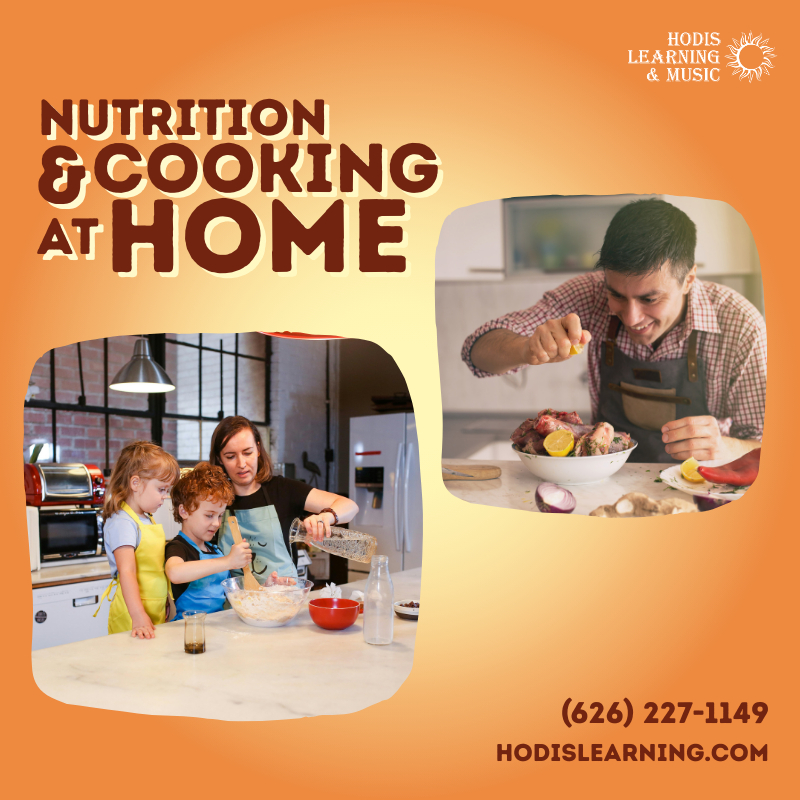
Nutrition Cooking at Home

Homeschooling offers an incredible opportunity to connect learning with everyday life. One of the most practical (and enjoyable) subjects to weave into your curriculum is nutrition and cooking. Not only does this teach essential life skills, but it also opens the door to lessons in science, math, and even gardening. Learn more about how you can incorporate nutrition and cooking into your homeschool curriculum.

Why Teach Nutrition and Cooking in Homeschool?

Nutrition and cooking bring abstract academic concepts to life. Instead of memorizing facts, children experience hands-on learning that is practical and fun. From understanding food groups to learning where ingredients come from, cooking becomes a real-world classroom.

Core Components of a Homeschool Cooking Curriculum

1. Meal Planning

Have students create a weekly menu, focusing on balanced meals that include all major food groups. Budgeting for meals also teaches addition, subtraction, and multiplication. Students can compare costs of different brands or calculate price per serving.

2. Grocery Shopping

Take children shopping and have them locate ingredients. Encourage them to compare labels, look for healthier options, and consider food sources (like local vs. imported, organic vs. nonorganic). You can also discuss things like marketing strategies in the food industry, food packaging, and the importance of reading nutrition labels.

3. Preparing Meals Together

Cooking as a family builds confidence and independence. Assign age-appropriate tasks, such as chopping vegetables, measuring flour, or stirring sauces. Preparing meals also teaches cooperation and responsibility while making the process fun and rewarding.

Integrating Nutrition Into Science

Cooking naturally ties into multiple science topics:

  • Digestive System: Use meals as a gateway to explore how food fuels the body. For example, discuss how carbohydrates break down into energy or how fiber supports digestion.
  • Biology: Teaching about macronutrients and micronutrients introduces biology concepts like enzymes, metabolism, and cell function.
  • Chemistry: Baking is science in action. Talk about how yeast makes bread rise or why eggs bind ingredients together.

Gardening as a Living Classroom

Encouraging students to grow their own food is another way to expand nutrition lessons. A simple herb garden on a windowsill can be a great place to start.

If your student is old enough, or has advanced beyond the kitchen herb garden, growing vegetables outdoors is a great next step. The process teaches patience, responsibility, and biology. Students can observe the effects of photosynthesis, monitor soil health, and learn about ecosystems.

Harvesting herbs or vegetables and then cooking with them helps students understand food cycles and sustainability.

Other Curriculum Ideas

  • Keep a Food Journal: Students can track meals, nutrients, and how different foods make them feel.
  • Explore Foods From Different Cultures: Try recipes from around the world to combine cooking with geography, history, and cultural studies.

Learn More About Homeschooling

Nutrition and cooking classes can teach responsibility, science, creativity, and practical skills, all while bringing families together around the table. Whether it’s planting basil, budgeting for a week’s groceries, or learning why proteins matter, the homeschool kitchen can be one of the richest classrooms of all.

If you’re interested in learning more about homeschooling, call us at (626) 227-1149 or submit a contact form on our website.


Incorporating Life Skills Into Your Homeschool Curriculum

Homeschooling offers the unique opportunity to tailor your child’s education to their individual needs and interests. While academic subjects like math, science, and language arts are crucial, integrating life skills into your homeschool curriculum is equally important. Life skills equip children with practical knowledge and abilities that prepare them for independent and successful adult lives. Here are some essential life skills to incorporate into your homeschooling routine.


1. Financial Literacy

Understanding money management is a fundamental life skill. Teaching your children about budgeting, saving, investing, and the basics of economics can set them up for financial success. Use real-life scenarios, such as planning a family budget or saving for a big purchase, to make the lessons practical and engaging. There are also numerous online resources and games, like Learning Coins,  that make learning about finance fun and interactive.


2. Cooking and Nutrition

Cooking is a valuable skill that promotes independence and healthy living. Start with simple recipes and gradually introduce more complex dishes as your child’s confidence grows. Teaching them about nutrition, meal planning, and grocery shopping can also foster healthy eating habits. Involve your children in cooking family meals, which can also be a great way to bond and teach them about different cultures and cuisines.


3. Time Management

Effective time management skills are crucial for success in both personal and professional life. Help your children learn to prioritize tasks, set goals, and create schedules. Use planners or digital tools to keep track of assignments, extracurricular activities, and personal commitments. Teaching them to balance work, play, and rest will help them become more organized and reduce stress.


4. Household Management

Running a household requires a variety of skills, from cleaning and organizing to basic home maintenance. Assign age-appropriate chores and responsibilities to your children to teach them how to contribute to household upkeep. Show them how to do laundry, clean different areas of the house, and perform minor repairs. These tasks teach responsibility, self-reliance, and the importance of maintaining a clean and functional living environment.


5. Communication Skills

Strong communication skills are essential for building relationships and succeeding in the workforce. Encourage your children to express themselves clearly and confidently through both written and verbal communication. Practice active listening, public speaking, and constructive feedback. Role-playing different social scenarios can also help them navigate conversations and interactions effectively.


6. Critical Thinking and Problem-Solving

Developing critical thinking and problem-solving abilities is vital for making informed decisions and overcoming challenges. Encourage your children to ask questions, analyze information, and consider different perspectives. Provide them with puzzles, games, and real-life problems to solve. Discuss current events and ethical dilemmas to foster thoughtful discussions and enhance their reasoning skills.


7. Emotional Intelligence

Understanding and managing emotions is a key aspect of emotional intelligence. Teach your children to recognize and express their feelings in healthy ways. Discuss empathy, resilience, and coping strategies for dealing with stress and disappointment. Encourage them to practice mindfulness, positive thinking, and self-reflection to build emotional awareness and regulation.


8. Basic First Aid and Safety

Knowing how to respond in emergencies is an invaluable life skill. Teach your children basic first aid, such as treating minor cuts and burns, performing CPR, and understanding when to seek medical help. Discuss fire safety, water safety, and general safety practices to ensure they know how to protect themselves and others in various situations.


Takeaways

Incorporating life skills into your homeschool curriculum not only prepares students for the future but also enriches their overall learning experience. At Hodis Learning & Music, we specialize in personalized homeschooling solutions that build both academic excellence and essential life skills. Let us help you create a well-rounded education for your child—call or email us today to learn more!

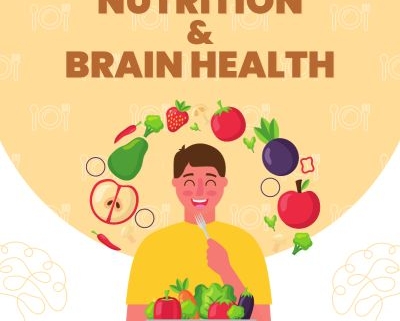
Nutrition and Brain Health

Smart study habits aren’t the only way to ensure you do well in school. Proper nutrition can have a positive impact on student performance, particularly when it comes to improving your learning, memory, and cognitive function. Conversely, poor nutrition can negatively impact everything from your ability to focus to your quality of sleep. Read on to learn more about nutrition and brain health.

The Basics of Proper Nutrition

  • A balanced, nutritious diet helps you stay healthy and avoid chronic illnesses. The best way to have a nutritious diet, according to the Dietary Guidelines for Americans, is to focus on eating a variety of nutrient-dense food and beverages in each food group. The different food groups are fruits, vegetables, grains, protein, and dairy.
  • Nutrient-dense foods have a variety of vitamins, minerals, and other necessary nutrients with little to no added sugar, sodium, or saturated fats.
  • A balanced diet includes:
    • Vegetables of all types and colors—starchy vegetables like potatoes, dark leafy greens like kale and spinach, bell peppers, cauliflower, broccoli, beans, peas, and lentils.
    • Fruits, especially whole fruits like apples, oranges, bananas, grapes, mangos, pineapple, cherries, berries, and more.
    • Grains, at least half of which are whole grain.
    • Dairy, including fat-free or low-fat milk, yogurt, cheese, and/or lactose-free versions, and fortified soy beverages.
    • Protein, including lean meats, eggs, seafood, beans, peas, lentils, nuts, seeds, and soy products.

How Does Nutrition Impact Brain Health?

Your brain needs food to function. It’s constantly analyzing information your body takes in through your senses of sight, smell, hearing, touch, and taste. It uses this information to think and solve problems. Even at night, your brain is working! This is why it’s so important to feed your brain properly.

Each food group is necessary for proper brain function:

  • Healthy fats especially omega-3 fatty acids, support memory and learning. Cells and a majority of your brain are made up of fat as well.
  • Proteins are necessary to produce neurotransmitters. Neurotransmitters are essential for learning, memory, and emotional regulation.
  • Carbohydrates are digested into glucose which provides energy to your brain.
  • Fruits and vegetables are filled with beneficial micronutrients, like antioxidants. Antioxidants found in fruits like berries can reduce inflammation, and help the brain generate cells and neurotransmitters which boost learning and memory.

According to a scientific analysis, proper cognitive development in infants and children relies on adequate nutrition. Some of the things found to be beneficial were increased iron and multi-nutrients, as well as increased consumption of fish.

Just as healthy fats improve cognitive function, excess consumption of saturated fats leads to cognitive decline and negatively affects children’s memory. Saturated fats are found in foods like butter, ghee, cream, and coconut oil.

Diets high in fat and sugar can seriously alter the brain regions used for memory, learning, and reward systems. High-fat and high-sugar foods take over the reward system in your brain making you want more and more, which can lead to overeating and cognitive decline.

Other Ways Nutrition Can Have an Impact

Sleep

Sleep is essential to helping children and adolescents grow and develop. It’s also important for memory and learning. Nutrient-dense foods help children have better quality sleep, while foods lacking nutrients like processed foods and fast foods are associated with poorer sleep quality in children. Soda consumption is also associated with less sleep.

Mood & Emotions

Overeating, eating a diet high in fat, or eating a diet that does not meet nutritional needs can cause inflammation in your cells, particularly in the parts of your brain that control cognition and emotion. This is how a poor diet can lead to poor emotional regulation and even depressive symptoms. Scientists observed this even in young children, which is why starting good eating habits and proper nutrition at a young age is so important.

Good nutrition gives your brain the VIP treatment it deserves! And when it comes to acing your classes, tutoring can put your well-nourished brain to the test by reviewing material and learning new concepts. By feeding your brain right and getting that extra help when needed, you’re setting yourself up for academic success!

Sign Up for Tutoring Today!

Learn more or schedule your first session by calling or emailing us today.

Sources

U.S. Department of Agriculture and U.S. Department of Health and Human Services. Dietary Guidelines for Americans, 2020-2025. 9th Edition. December 2020. Available at DietaryGuidelines.gov

U.S. Department of Agriculture. (n.d.). What is MyPlate? https://www.myplate.gov/eat-healthy/what-is-myplate

Roberts, M., Tolar-Peterson, T., Reynolds, A., Wall, C., Reeder, N., & Rico Mendez, G. (2022). The Effects of Nutritional Interventions on the Cognitive Development of Preschool-Age Children: A Systematic Review. Nutrients, 14(3), 532. https://doi.org/10.3390/nu14030532

Naveed, S., Lakka, T., & Haapala, E. A. (2020). An Overview on the Associations between Health Behaviors and Brain Health in Children and Adolescents with Special Reference to Diet Quality. International Journal of Environmental Research and Public Health, 17(3), 953. https://doi.org/10.3390/ijerph17030953

Holmes, J. F., St. Laurent, C. W., & Spencer, R. M. C. (2021). Unhealthy diet is associated with poor sleep in preschool-aged children. Journal of Genetic Psychology, 182(5), 289–303. https://doi.org/10.1080/00221325.2021.1905598

Ahmad F, Hasan H, Abdelhady S, Fakih W, Osman N, Shaito A and Kobeissy F (2021) Healthy Meal, Happy Brain: How Diet Affects Brain Functioning. Front. Young Minds. 9:578214. doi: 10.3389/frym.2021.578214

Spencer, S.J., Korosi, A., Layé, S. et al. Food for thought: how nutrition impacts cognition and emotion. npj Sci Food 1, 7 (2017). https://doi.org/10.1038/s41538-017-0008-y