
Tag Archive for: School year

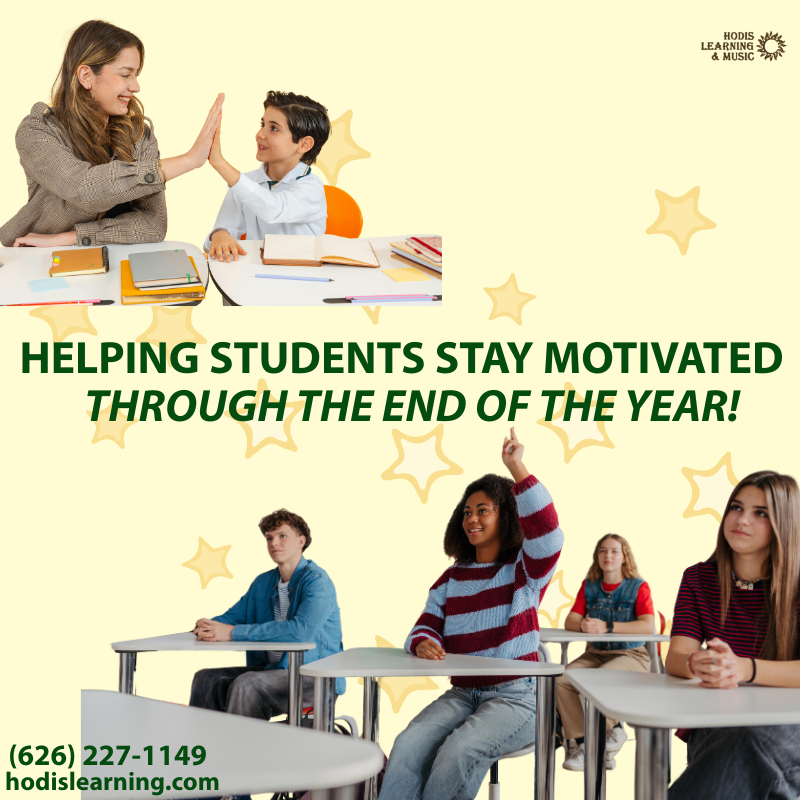
Helping students stay motivated through the end of the year

By the time the final stretch of the school year arrives, it’s often difficult for students to stay motivated. The excitement of the beginning of the year is long gone, and students are left balancing deadlines, exams, and fatigue. At this point, motivation becomes less about excitement and more about maintaining routines and finishing strong.

Grades Aren’t Where You Want Them to Be

One of the most stressful realities at this time of year is seeing lower-than-expected grades with limited time left to improve them. This can feel discouraging, especially for middle and high school students who are thinking about GPA, transcripts, or placement for next year.

Instead of trying to fix everything at once, it’s more effective to focus on what can still move the needle. That might mean prioritizing one class, completing missing assignments, or preparing more intentionally for upcoming tests. Even small improvements can make a meaningful difference.

Slipping Focus in the Classroom

As summer approaches, it’s natural for attention to drift—especially for younger students or those in long class periods. But this is also when teachers are often covering final units, reviewing key material, or giving important instructions for projects and exams.

A simple shift—like actively taking notes again, asking one question per class, or reviewing material later that day—can help students stay engaged enough to keep up, even if their motivation isn’t at its peak.

Incomplete and Missing Assignments

At the end of the year, missing work becomes more noticeable and more urgent. Elementary students may need support keeping track of assignments, while older students might feel overwhelmed by multiple overdue tasks across different classes.

This is a good time to take a step back and get a clear picture of what’s missing. Creating a short, realistic plan to tackle a few assignments at a time is often more productive than trying to catch up all at once.

Final Exams and Projects

Finals season brings a different level of pressure. High school students may be balancing cumulative exams, while younger students might be working on end-of-year projects or presentations.

Preparation here isn’t just about studying longer—it’s about studying smarter. Focusing on key concepts, reviewing past tests, and practicing how to apply knowledge can be more effective than passively rereading notes.

Placement Exams and Looking Ahead

For many students, the end of the year also includes placement tests for the next grade level—especially in subjects like math. These exams can feel high-stakes because they impact future coursework.

The goal isn’t perfection, but readiness. Reviewing foundational skills and identifying any gaps can help students feel more confident going into these assessments and better prepared for what’s ahead.

Finishing Strong

The final weeks of school are less about big breakthroughs and more about consistency. Showing up, completing work, and staying engaged—even at a basic level—can have a lasting impact on grades, confidence, and readiness for the next year.

As we often emphasize, building consistent systems and habits is what helps students push through challenging periods like this.

Helping Students Stay Motivated

This time of year can be overwhelming, but students don’t have to navigate it alone. With the right support, they can stay organized, improve performance where it matters, and approach final exams and assignments with more confidence.

At Hodis Learning & Music, we help students manage end-of-year challenges, catch up on missing work, and prepare for finals and placement exams.

To help your student finish the school year strong, call us at (626) 227-1149 or submit a contact form on our website.

The decision to start homeschooling is a big step, and it comes with both excitement and a lot of questions. Whether you’re transitioning from traditional schooling or beginning from scratch, the first year can feel overwhelming. At Hodis Learning & Music, we understand every family’s homeschool journey is unique. That’s why we offer customized homeschool support, whether you want to lead the way or bring in experienced educators to guide your child. Here’s our guide to kicking off a successful homeschool year!

A Homeschool Guide For Parents

The first homeschool year starts long before the first lesson begins. Here are some key steps for parents to take to ensure a smooth start:

1. Research Your Homeschool Laws

Homeschooling laws vary by state and country, so it’s important to familiarize yourself with the regulations in your area. Some states may require you to submit an intent to homeschool, follow specific guidelines, or submit regular reports. Start by checking your state’s Department of Education website or connecting with a local homeschooling organization for support.

2. Choose a Curriculum That Works for Your Family

There are many different homeschooling approaches, from traditional textbooks to project-based learning. Take time to explore different curriculum options, and consider:

  • Your child’s learning style: Do they thrive with hands-on activities, or are they more comfortable with structured lessons?
  • Your family’s schedule: Do you prefer a year-round approach or a more traditional school year with summer breaks?
  • Your goals: Are you focusing on academic excellence, social skills, creativity, or a combination of all?

Many families blend various curricula to suit their child’s needs, so don’t be afraid to mix and match.

3. Set Realistic Expectations

The beauty of homeschooling is its flexibility, but this can also lead to feelings of pressure. It’s important to set achievable goals. Some days will go smoothly, and others will challenge you more than expected. Set short-term goals for both yourself and your child, and celebrate small wins along the way.

4. Create a Comfortable Learning Space

While homeschooling doesn’t require a dedicated classroom, having a designated learning space can help keep everyone organized and focused. Choose a quiet spot with adequate lighting, comfortable seating, and enough space for supplies. If possible, keep the area free of distractions so it’s a productive learning environment.

You can also incorporate fun elements like educational posters, a cozy reading nook, or a calendar to mark learning milestones.

5. Connect with Other Homeschooling Families

Homeschooling doesn’t mean you and your child have to be isolated. Seek out local homeschooling groups or online communities to connect with other families. These groups are great for sharing resources, tips, and advice. You may even find co-op classes or social activities for your child.

A Guide for Students

As a student, transitioning to homeschooling is an opportunity to take control of your learning. Here’s how you can get ready for your first year:

1. Embrace the Flexibility

One of the greatest benefits of homeschooling is the flexibility it offers. You may have more control over when and where you learn. This flexibility also means you can explore subjects in-depth, dive into your interests, and take breaks when needed.

However, it’s important to stay disciplined. Learning at home requires structure and self-motivation. Work with your parents to create a routine that includes dedicated study time, breaks, and fun activities.

2. Set Personal Learning Goals

Being homeschooled means you have a unique opportunity to set goals that reflect your personal strengths and interests. Talk with your parents about what you’d like to focus on during the year. This is an opportunity to:

  • Set academic goals. Like improving math skills or reading more challenging books.
  • Plan extracurricular activities. Perhaps that’s learning a musical instrument or working on a big creative project.

Tracking your progress will give you a sense of accomplishment and help you stay motivated throughout the year.

3. Stay Socially Engaged

Participate in homeschooling co-ops, extracurricular activities, or community events to interact with peers and stay socially active. Plan regular meetups with friends, join local clubs, or play in a sports league.

4. Develop Strong Study Habits

Homeschooling places a greater emphasis on independent learning, so developing strong study habits early on is key. Create a daily or weekly schedule and use a planner to stay on track.

Additional Tips for Parents & Students

  • Stay Flexible: Routine is important, but be adaptable when things don’t go according to plan. Some lessons will take longer than expected, and some days will require more breaks than others.
  • Celebrate Milestones: Whether it’s mastering a difficult math concept, completing a big project, or just getting through a tough week, celebrate those milestones! Recognizing achievements will keep everyone motivated.
  • Don’t Be Afraid to Ask for Help: Teaching can be hard, especially if you’re juggling other responsibilities. Our homeschool educators can lighten the load and ensure your child gets the guidance they need.

You Don’t Have to Homeschool Alone

At Hodis Learning & Music, we partner with families to create a homeschool experience that fits your life. Whether you want to teach on your own or you want professional educators to lead the way, we’re here for you with:

  • One-on-one homeschool instruction
  • Curriculum guidance
  • Subject-specific tutoring
  • Music lessons and academic enrichment
  • Ongoing support for both parents and students

Call or email us today and let’s build a homeschool plan that works for your family.

Strategizing for Fall

Reflecting on Last Year to Thrive This Year

The start of a new school year is a fresh opportunity to reset, plan, and strategize for success. But before diving into the excitement of new goals and opportunities, it’s essential to pause and reflect on the past school year. Taking time to evaluate what worked, what didn’t, and strategizing for the year ahead sets a strong foundation for the fall semester.

Why Reflect on the Previous School Year?

Reflection isn’t just about looking back, it’s also an opportunity to learn. Students and parents can benefit from reflection and evaluation, as they help:

  • Identify Strengths: Which subjects, activities, or study strategies brought the most success?
  • Spot Growth Areas: Where did you struggle? Was it with time management, specific subjects, or test preparation?
  • Celebrate Achievements: Acknowledging achievements, both big and small, can provide motivation for the year ahead.

How to Evaluate the Past Year

An intentional approach to reviewing the previous school year can help you create a game plan for the semester (and school year) ahead.

  1. List Highlights and Challenges: Write down the most significant moments and consider what led to those outcomes. These can be test scores, projects, or personal milestones that impacted school work.
  2. Assess Study Habits: Think about your organization, homework routines, and exam prep. What worked well? What caused stress or last-minute cramming?
  3. Reflect on Effort vs. Results: Sometimes, great effort doesn’t translate into expected results. You might need a new approach or extra help in that area.
  4. Consider Feedback: Look at teacher comments, report cards, or parent-teacher conference notes for insights into strengths and areas for growth.

Strategizing & Setting Smart Goals

Once you’ve reviewed the past, it’s time to look forward with purpose. Setting clear, realistic goals will keep you focused and motivated throughout the year.

  • Use the SMART Method: Goals should be Specific, Measurable, Achievable, Relevant, and Time-bound. Instead of “I’ll do better in math,” try “I’ll get an A in math by practicing problem sets for 20 minutes daily.”
  • Break Goals into Steps: Big goals become more manageable when broken into smaller milestones. For example, improving writing might involve weekly vocabulary exercises.
  • Plan for Challenges: Identify potential obstacles and think of strategies to overcome them. Struggling with time management? Consider using a planner or digital calendar.
  • Track Progress: Regular check-ins (monthly or quarterly) ensure you’re on the right track and give you time to adjust strategies if needed.

Tips for a Successful Start

  • Organize Early: Set up binders, planners, and study spaces before the school year begins.
  • Establish Routines: Consistent study times, balanced with rest and extracurriculars, set the tone for a productive year.
  • Seek Support: Whether it’s from teachers, tutors, or family members, don’t be afraid to ask for help when needed.
  • Celebrate Small Wins: Recognizing progress can keep you motivated. Celebrate when you achieve a high test score or receive good feedback on an assignment.

Final Thoughts

Strategizing at the start of a new school year helps you set the tone for the year ahead and attack goals early, instead of waiting until things get overwhelming. The key is to stay flexible and celebrate both the learning and the accomplishments along the way.


One of the best things to do after you’ve evaluated the previous school year and set goals for the year ahead is to book a tutor. There are bound to be subjects or material that you could use some extra help with. Set yourself up for success with a tutor. Check out our academic tutoring subjects here, and call us at (626) 227-1149 to schedule a session. You can also submit a contact form on our website.