

Tag Archive for: homeschooling experts

Homeschool Learning: Educational Field Trips

One of the biggest advantages of homeschooling is the flexibility to make learning dynamic and personalized. While traditional classrooms often rely heavily on textbooks and worksheets, homeschooling allows families to step outside and use the world as their classroom.

From a local science center to a historical battlefield to a virtual museum, field trips offer homeschool students a way to connect theory with real-world application.

Why Field Trips Matter in Homeschooling

Unlike a traditional school setting, homeschooling doesn’t come with pre-scheduled excursions. Parents and teachers can choose trips that align perfectly with what their student is learning. Field trips are so impactful because:

  • They make abstract concepts tangible. Seeing a fossil in a museum or watching a blacksmith work at a colonial village brings lessons to life.
  • They engage multiple senses. Touching, hearing, seeing, and even smelling an environment deepens understanding and memory retention.
  • They spark curiosity and critical thinking. Being in new environments prompts students to ask questions, make connections, and think outside the box.
  • They break the routine. Changing up the environment keeps learning fresh and helps maintain motivation and engagement.

Educational Field Trip Ideas

Field trips don’t have to be elaborate or far away. In fact, some of the best learning happens close to home or even online. Here are some high-value destinations to consider.

Physical Field Trip Ideas

  • Science Museums & Planetariums: Great for interactive STEM learning
  • Historic Sites & Living History Museums: Walk through time for a snapshot of life from a history book.
  • Local Government Buildings: Learn about civics with tours of courthouses or city halls.
  • Nature Reserves & Farms: Ideal for biology, ecology, and environmental science lessons.
  • Art Galleries & Studios: Explore visual expression and art history.
  • Factories or Local Businesses: Learn about economics, entrepreneurship, and industry.

Virtual Field Trip Options

  • Smithsonian National Museum of Natural History (USA): Discover 360° virtual tours of exhibits.
  • The Louvre (France): Tour Egyptian antiquities and Renaissance masterpieces online.
  • NASA Glenn Research Center: Explore space tech and astronaut training simulations.
  • San Diego Zoo Live Cams: Great for younger learners studying animals and habitats.
  • Google Arts & Culture: Explore global heritage sites, art collections, and science labs from anywhere.

Preparing for a Successful Field Trip

To get the most educational value from a field trip, a little preparation goes a long way.

Before the Trip:

  • Tie it to a lesson. Choose a destination that complements current lessons, like visiting a botanical garden while learning about plant biology.
  • Preview the location. Look up maps, watch introductory videos, or read background info so your student knows what to expect.
  • Create a learning objective. Decide what you want your student to observe, learn, or reflect on during the trip.

During the Trip:

  • Bring notebooks or sketchpads. Encourage note-taking, sketches, or questions for later discussion.
  • Ask open-ended questions. Prompt your student to think critically: “Why do you think they built it this way?” or “What surprised you the most?”

After the Trip:

  • Reflect and review. Discuss what they saw and learned. This could be through a written reflection, drawing, or even a presentation to family.
  • Tie it back into the curriculum. Use what was observed to deepen future lessons or spark new topics of interest.

How Our Educators Help Enhance the Field Trip Experience

At Hodis Learning & Music, our homeschool educators can help families bring education to life in meaningful ways through:

  • Pre-trip learning sessions to help students build background knowledge and vocabulary so they’re prepared.
  • Custom activity guides Our tutors can provide age-appropriate worksheets or scavenger hunts tailored to the field trip destination.
  • Post-trip reinforcement to help students synthesize what they learned through discussions, creative projects, or writing exercises.
  • Virtual companion learning where the educator and student can explore together in real time.

Final Thoughts

Educational field trips are a rich and rewarding part of the homeschool journey. With the guidance of knowledgeable educators and a little intentional planning, field trips can be not only fun outings, but powerful learning adventures.

Let our expert educators at HLM support your homeschool journey with personalized learning before, during, and after every adventure. Call us at (626) 227-1149 or submit a form on our website to learn more.

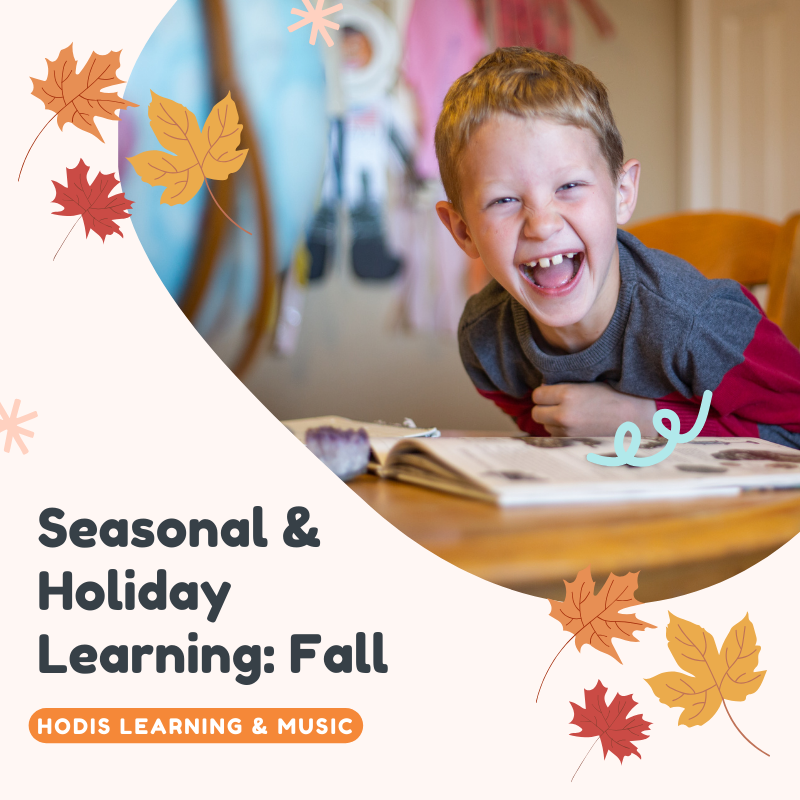
As the leaves change color and the air turns crisp, fall presents a unique opportunity for homeschool families to incorporate the season’s natural beauty and themes into their educational journey. Seasonal learning can make education more engaging and relevant, helping children connect with the world around them. Here’s how you can bring the magic of fall into your homeschool curriculum, making the most of this vibrant season.


The Benefits of Seasonal Learning

Seasonal learning offers a dynamic approach to education, allowing students to experience the rhythms of nature and the changes in their environment. It encourages hands-on, experiential learning, which can enhance retention and deepen understanding. By aligning lessons with the seasons, homeschool educators can create a more immersive and enriching educational experience.


Fall-Themed Subjects and Activities

  1. Science and Nature Studies: Fall is a perfect time to explore the natural world. Study the life cycles of trees, focusing on why leaves change color and fall to the ground. You can also investigate the behaviors of animals preparing for winter, such as migration and hibernation. Nature walks to collect leaves, acorns, and other autumnal treasures can serve as the basis for a science journal or a classification activity.
  2. Literature and Writing: The cozy atmosphere of fall lends itself well to reading and writing. Choose literature that reflects the season, such as classic autumn-themed poetry or stories set in this time of year. Encourage creative writing by asking students to describe a fall scene or write a story inspired by the season. You might also explore the history and cultural significance of fall holidays like Thanksgiving and Halloween, integrating these themes into reading assignments.
  3. Math and Measurement: Use fall-related activities to make math fun and practical. For example, measuring ingredients for fall recipes like pumpkin pie or calculating the weight and circumference of pumpkins can be engaging ways to practice math skills. You can also incorporate statistics by tracking daily temperatures and charting the gradual change from warmer to cooler weather.
  4. Art and Craft Projects: The colors and textures of fall are perfect for art projects. Create leaf rubbings, paint pumpkins, or make collages using natural materials gathered during nature walks. Crafts like making scarecrows, wreaths, or fall-themed decorations can also be a way to integrate art with lessons about seasonal changes and cultural traditions.
  5. Social Studies and History: Fall offers a rich context for exploring history and social studies. Study the history of harvest festivals around the world, compare them to modern-day Thanksgiving traditions, and discuss their significance. This can lead to discussions about agriculture, the importance of community, and the changing seasons’ impact on different cultures.
  6. Physical Education: Take advantage of the cooler weather with outdoor activities that can be integrated into your homeschool routine. Hiking, nature scavenger hunts, or playing seasonal sports like soccer can keep students active and engaged. Physical activities are also a great way to break up the day and re-energize young learners.

Creating a Fall Homeschool Environment

Transforming your learning space to reflect the fall season can enhance the educational experience. Decorate with fall colors, display seasonal books, and incorporate fall-themed educational materials. This seasonal shift can make the learning environment more stimulating and enjoyable for both students and educators.

Takeaway

Seasonal homeschool learning, especially in the fall, offers endless possibilities to enrich your curriculum. By integrating the sights, sounds, and themes of fall into your lessons, you can create a more engaging and holistic educational experience. Embracing the season not only makes learning fun but also helps students connect with the natural world and the cycles of life.


For those looking for additional support, partnering with Hodis Learning & Music’s homeschool education program can provide resources and guidance tailored to your family’s needs, helping you make the most of every season in your educational journey. Call us or submit a message on our website to learn more.

Time Management tips for homeschooling parents

Homeschooling is an incredibly rewarding journey that offers personalized education tailored to your child’s unique needs and interests. However, managing the demands of homeschooling along with household responsibilities and even work commitments can be a daunting task. Effective time management is crucial to ensure a productive and stress-free homeschooling experience for both parents and children. Here are some essential time management tips for homeschooling parents to help balance educational duties with the rest of life’s responsibilities.

1. Start with a Solid Plan
Begin each week or month with a clear plan in mind. Outline the topics you intend to cover, the resources you’ll need, and any activities or field trips you plan to incorporate. A well-thought-out plan helps prevent last-minute scrambling for materials or ideas and ensures that your homeschooling days run more smoothly.

2. Establish a Routine
Children thrive on routine, and, in fact, so do adults! Establishing a consistent daily schedule helps set expectations for what each day will entail, making it easier for everyone to stay on track. However, flexibility is key in homeschooling, so while it’s important to have a routine, be prepared to adjust as needed based on your child’s needs and progress.

3. Prioritize Tasks
Not all tasks are created equal. Identify the most critical educational goals and prioritize them in your schedule. Use the mornings when energy levels are typically higher for the most challenging subjects. Remember to also prioritize self-care and family time to maintain a healthy balance.

4. Utilize Tools and Resources
Take advantage of the myriad of homeschooling resources and tools available to streamline your planning and teaching. Online curriculums, educational apps, and homeschooling communities can provide invaluable support. Additionally, don’t shy away from incorporating technology that can facilitate learning and free up some of your time. Consider hiring expert homeschool educators, such as those at Hodis Learning & Music’s homeschool education program.

5. Delegate and Involve
Homeschooling is a family affair. Involve your children in planning and decision-making processes where appropriate. This not only helps develop their organizational skills but also makes them more invested in their learning. For older children, consider delegating certain responsibilities, such as setting up for an experiment or organizing their study space.

6. Batch Similar Tasks
Group similar tasks together to streamline your workflow. For example, dedicate a block of time for lesson planning for the week ahead or for grading assignments. Batching helps minimize the mental load of switching between different types of tasks and can lead to more efficient use of your time.

7. Set Boundaries
Setting clear boundaries around homeschooling time can help minimize distractions and interruptions. Let family and friends know your homeschooling hours and emphasize the importance of respecting this time. Similarly, set boundaries for yourself by allocating specific times for checking emails or social media to avoid falling into time-wasting traps. Consider using time-management apps like Forest or Remember the Milk.

8. Take Time for Self-Care
Perhaps one of the most overlooked aspects of time management is the need for self-care. Homeschooling can be all-consuming, and without proper rest and relaxation, burnout is a real risk. Ensure you’re setting aside time for activities that rejuvenate you, whether that’s reading, exercising, or pursuing a hobby.

Takeaway
Effective time management is the cornerstone of a successful homeschooling experience. By implementing these strategies, homeschooling parents can create a balanced and productive educational environment that benefits the entire family. Ultimately, the goal of homeschooling is not just academic achievement but fostering a love of learning in a nurturing and balanced home environment.

Get Help from Homeschooling Experts
Consider hiring outside help to take some responsibilities off your plate. Hodis Learning & Music offers a comprehensive homeschool education program that includes curriculum development customized to your student’s needs and interests, expert instruction, assessments and grading, and academic advising and course planning. Learn more by calling or emailing us today.